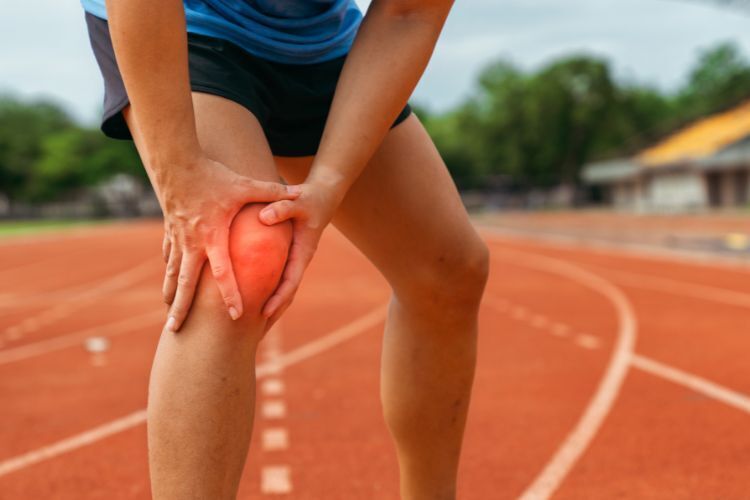
If you've felt a dull, nagging ache around or behind your kneecap after a run, you may be dealing with runner's knee. Despite the name, this condition doesn't only affect runners. It shows up in cyclists, hikers, and anyone who spends a lot of time on their feet with repetitive knee bending. But it earns its nickname because runners make up a large share of the people who experience it, especially when training volume increases too quickly.
At Eisenhauer & Smith Physiotherapy, we see runner's knee often in patients training around North Toronto and North York, from first-time 5K runners to people prepping for a marathon. The good news is that with the right diagnosis and a structured plan, most people recover fully and get back to the mileage they love.
What Causes Runner's Knee
Runner's knee, known clinically as patellofemoral pain syndrome, happens when the kneecap doesn't track smoothly over the thigh bone as the knee bends and straightens. Instead of gliding evenly, the kneecap shifts slightly, creating friction and irritation around the joint.
A few common contributors include:
- A sudden increase in running distance, speed, or hill training
- Weakness in the hip and glute muscles, which affects how the leg tracks during each stride
- Tightness in the quadriceps, hamstrings, or IT band
- Worn-out or poorly fitted running shoes
- Flat feet or other foot mechanics that change how force travels up the leg
It's worth noting that runner's knee symptoms can overlap with other conditions, including IT band syndrome and patellar tendonitis. Getting an accurate diagnosis matters, because the treatment approach for each is different. This is one of the biggest reasons runners come to us for physiotherapy rather than guessing at the problem on their own.
Recognizing the Symptoms
Runner's knee typically presents as a dull ache around or under the kneecap, often worse when:
- Running downhill or descending stairs
- Sitting for long periods with the knee bent
- Squatting or kneeling
- Standing up after sitting for a while
Some people also notice a grinding or clicking sensation when bending the knee. Symptoms often start mild and only appear after a run, but without intervention they tend to progress, showing up earlier in a run and eventually during everyday activities like walking or climbing stairs.
If any of this sounds familiar, it's a good sign to get it checked before it limits your training further. Left untreated, minor knee irritation can turn into a longer-term issue that keeps you off the road for months instead of weeks.
Why Rest Alone Often Isn't Enough
A common instinct is to simply stop running and wait for the pain to go away. Rest can reduce inflammation in the short term, but it doesn't address the underlying mechanical issue that caused the pain in the first place. Many runners rest for a few weeks, feel better, return to training, and find the same pain comes right back.
That's because runner's knee is usually a symptom of an imbalance somewhere else in the kinetic chain, whether that's hip weakness, poor running mechanics, or muscle tightness. Without correcting that root cause, the kneecap keeps tracking the same way it did before, and the irritation returns as soon as training load increases again.
This is where a tailored approach to physiotherapy for knee pain in Toronto makes a real difference. Instead of a generic rest-and-hope strategy, a physiotherapist assesses your specific movement patterns, strength, and running form to build a plan around what's actually driving your pain.
How Physiotherapy Treats Runner's Knee
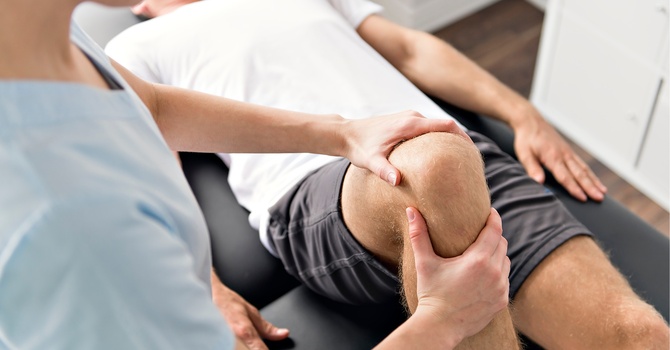
A physiotherapy assessment for runner's knee typically starts with understanding your training history, running form, and any past injuries. From there, treatment is built around a few key pillars:
Manual therapy and mobility work. Hands-on techniques can help release tightness in the quadriceps, IT band, and surrounding soft tissue, which often takes pressure off the kneecap.
Targeted strengthening. Weakness in the hips, glutes, and quadriceps is one of the most common contributors to runner's knee. A progressive strengthening program addresses these weak links so the kneecap tracks properly under load.
Running mechanics and gait analysis. Small changes in stride length, cadence, or foot strike can significantly reduce stress on the knee. Reviewing running form helps identify habits that may be quietly working against you.
Graded return-to-running plan. Jumping back into full mileage too soon is one of the most common reasons runner's knee comes back. A structured, gradual reintroduction to running volume protects the knee while you rebuild strength and confidence.
For patients coming to our clinic, this process is part of the broader approach we take across our physiotherapy services, where treatment plans are built around your specific goals rather than a one-size-fits-all protocol.
What You Can Do Right Now
While you wait for or work through a physiotherapy plan, a few strategies can help manage symptoms:
- Reduce running volume temporarily rather than stopping completely, if pain allows
- Apply ice after activity to manage inflammation
- Avoid downhill running and deep squats until symptoms settle
- Check that your running shoes aren't worn out, since shoes typically lose support after 500 to 800 kilometres
These steps can take the edge off, but they work best alongside a proper assessment rather than as a substitute for one.
Getting Back to Running Pain-Free
Runner's knee is frustrating, especially when you're mid-training cycle or working toward a race goal. But it's also one of the more treatable running injuries when it's addressed with the right plan. The key is identifying what's actually causing the kneecap to track improperly, rather than just treating the symptom.
If knee pain has been holding back your training, our team at Eisenhauer & Smith Physiotherapy can help you figure out exactly what's going on and build a plan to get you back to running with confidence. We work with runners throughout North Toronto and North York at every level, from casual joggers to marathon trainers, and our goal is always the same: get you moving well and keep you there.
Ready to stop guessing and start running pain-free? Reach out to schedule an assessment and take the first step toward a full recovery.